Integrated Bioanalysis:

Register Today!


Join us for an evening of scientific discussion, networking and dinner during the APA Boston conference.

We’re bringing together industry peers for an engaging conversation led by Dr. Michelle Miller on the evolving landscape of immunogenicity testing and new approaches to the 3-tier paradigm. Whether you’re looking to exchange ideas, discuss emerging trends or connect with fellow scientists, we hope you’ll join us for an informative and enjoyable evening.

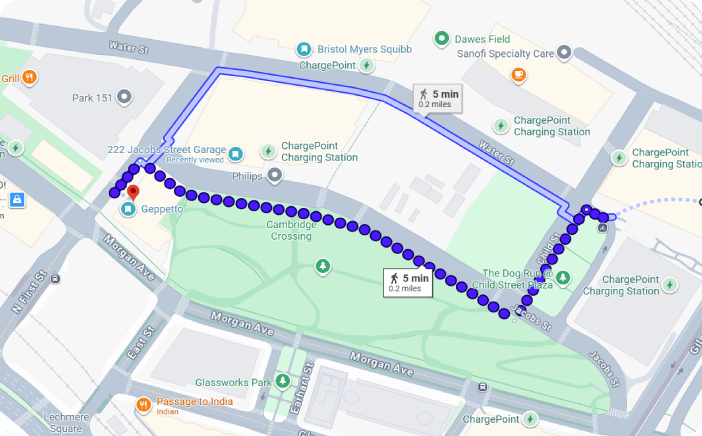
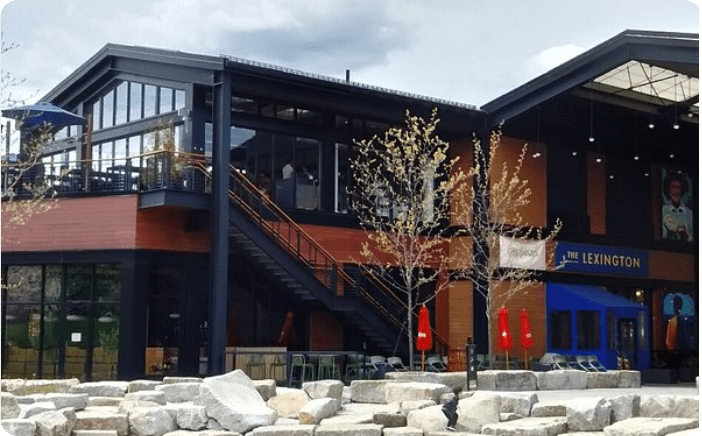
The Lexington is located just a five-minute walk from the APA Bioanalytical Conference at Sanofi. For those driving, convenient parking is available in the garage next door. The restaurant is located above Geppetto.

See below for Abstract

Reserve Your Seat

lexington-front

Speakers


Dr. Michelle Miller
Bioanalytical Consultant

With over 15 years in the drug development and toxicology industries, Dr. Miller has extensive expertise in supporting regulated bioanalysis for clinical and nonclinical programs. A former DABT-certified study director and veteran bioanalytical scientist for clinical research, she provides global scientific and regulatory support.

Rudolf Guilbaud
Director, Chromatography

With nearly 30 years of experience in bioanalytical method development, validation, and regulated sample analysis, Rudolf Guilbaud has extensive expertise applying LC-MS/MS technologies to support drug development programs across multiple therapeutic areas. Based in Lincoln, Nebraska, he contributes to Celerion’s bioanalytical scientific strategy and laboratory operations. His interests include method optimization and troubleshooting, emerging bioanalytical technologies, and developing practical, scientifically sound solutions to complex bioanalytical challenges.

Date & Location


Date: September 15

Venue:
The Lexington
100 N First St., Floor 2
Cambridge, MA 02141

Agenda:

  • 6:00 PM | Networking drinks and hors d’oeuvres
  • 7:00 PM | Dinner and Scientific Talk & Discussion

lexington-map

Abstract


Recent years have brought major shifts in the way that drug manufacturers are approaching the design and development of novel therapeutics with multifunctional drugs taking center stage. These complex modalities include antibody-drug conjugates, antibody-oligonucleotide conjugates, peptide conjugates, and other engineered modalities that combine large and small molecule components within a single therapeutic system.

Bioanalysis, like therapeutic modalities, has traditionally been divided into two distinct categories: small molecule methods, predominantly based on LC-MS, and large molecule methods that are largely comprised of immunoassays. However, as the boundaries between small and large molecule therapeutics become increasingly difficult to segregate, so have the methods used to support them. As such, providing bioanalytical support for complex modalities cannot be approached using small versus large molecule thinking but instead require a combination of ligand-binding assays, LC-MS, hybrid immunocapture methods, immunogenicity assessments, and complementary characterization methods.

This presentation and discussion will explore how bioanalytical strategies must evolve from platform-based testing toward integrated, question-led approaches. Using complex therapeutics as examples, we will examine analyte identification, reference material verification, sample stability, platform selection, method validation, and the interpretation of multiple PK species.

The future of bioanalysis will not be defined by choosing between LC-MS and immunoassays, but by knowing how to take a comprehensive approach to generate a coherent picture of drug exposure, disposition, and biological activity by selecting and integrating the appropriate technologies to answer the scientific questions at hand.

Reserve Your Seat