Author: admin

  • Backing the Biosimilar Boon

    Biological therapies such as peptides, enzymes and antibodies have changed the face of medicine, providing crucial treatment for a number of devastating inflammatory, endocrine and oncological diseases. However, these drugs often come with a hefty price tag due to the complicated nature of manufacturing biological products which are derived from living systems. In an effort to reduce drug prices, especially among biologicals, the Biologics Price Competition and Innovation Act was passed in 2010, creating a regulatory framework for biosimilar drugs to advance on to the market.

    Biosimilars are not an exact copy but are similar to the originally approved biological product. While innovator products must demonstrate pharmacokinetic (PK), dose finding, efficacy, safety and clinical benefit/risk for approval; a biosimilar product follows an abbreviated pathway and must demonstrate equivalent PK, toxicity, similarity, and no clinical change compared to the innovator. With this framework, the goal is to introduce cost-effective alternatives to innovator biological drugs that can help improve patient access to these treatments.

    The Biosimilar Model:
    Robust, vigorous analytical characterization, justification of cell lines, examination of post-translation products, and preclinical studies are emphasized in the biosimilar paradigm. Most biosimilar programs only require one Phase I or III study, reducing cohort sizes and study time from traditional drug approval processes. Immunogenicity data must be collected in patients, however this can be descriptive in nature and is not required to be powered.

    In lieu of a comparative efficacy study, pharmacodynamic (PD) biomarkers related to the mechanism of action can be evaluated as a study outcome. For example, picture a biosimilar product like recombinant insulin binding to a cell receptor to initiate a chain of signaling events. PD biomarkers such as glucose concentrations from these early events of the signaling cascade tend to be more sensitive, while late PD biomarkers like HbA1c are related to clinical outcome yet tend to have lower sensitivity. Therefore, early PD biomarkers are recommended as they are apt to illustrate how a drug behaves and can be applied to simulate PK/PD dose response. Both PK and PD biomarkers are required to be within margins to show equivalency, for the FDA these margins are 80-125%. When no good PD biomarker is available for an indication, clinical endpoints should be the same as the innovator product.

    The FDA’s Action Plan:
    While the EU has benefited from biosimilars for close to 15 years, with 45 approved products and marked reductions in drug prices [1], the US has been slow to embrace this technology. To date, 19 biosimilars have been approved in the US, however 7 products are still not on the market mainly due to patent litigation [1]. In an effort to cut-red tape, increase drug competition and reduce prices for patients, the FDA released their Biosimilar Action Plan in June 2018. This plan outlines their four-pronged approach to expedite biosimilar product development through; increasing efficiency in the approval process, clarifying regulatory guidance, providing educational support for patients and prescribers, and supporting market competition. Progress towards these goals is evident through 60 biosimilar development programs, a newly released final guidance for interchangeability, and plans to license biosimilar and interchangeable insulin products.

    Optimizing Biosimilar Product Development:
    The following study design recommendations are aimed to optimize biosimilar programs when planning for multiple authorities or indications, or for interchangeability designation.

    Multiple Jurisdictions – Consider a 3-way crossover study with US and EU innovator and reference product to establish bridging for various markets.

    Extrapolation – Consider running the study in the most homogenous patient group, this will improve sensitivity. Once approved for one indication, approval can be extrapolated to all other approved indications with justification based on totality of evidence.

    Interchangeability– Refers to pharmacists switching between products without the consent of the prescriber. In the EU, interchangeability of a product is dictated by member states. Elsewhere, Australia has recently granted interchangeability designation for adalimumab biosimilar products [2] . In the US, interchangeability of a biosimilar should be demonstrated in a randomized two-arm (switching vs non-switching) clinical study with a reference product lead-in period. In a crossover design, the switching arm should have at least 2 or more product switches. One major challenge with interchangeability study design is that many antibody biosimilars have long half-lives and which would require a long cross-over study. However, the added statistical power of the cross-over design may well be worth the long study duration. In addition, during such trials, it is important to closely monitor for safety and adverse immune responses. Alternative approach is an integrated study design to demonstrate no clinically meaningful difference between reference and the biosimilar product and evaluate the impact of switching.

    Turn-key Solutions for Biosimilar Programs:
    As a global leader in analytical and clinical studies for biological drug development, Celerion provides turn-key solutions for a number of biosimilar programs.

    Adalimumab – Anti-TNFα biological for the treatment of arthritis, plaque psoriasis, ankylosing spondylitis, Crohn’s disease, and ulcerative colitis
    Rituximab – CD20 antagonist for autoimmune diseases
    Teripartide – Recombinant human parathyroid hormone for osteoporosis
    Ustekinumba– IL-12/23 inhibitors for psoriasis
    • See our full list of validated bioanalytical assays at www.celerion.com/assays

    Conclusion:
    Altogether, biosimilars are primed to make a significant impact on access to vital medicines worldwide. Currently, of the marketed biosimilar products available in the US the cost for these products is an estimated 17-57% less than the originator price. With new, efficient tools to support biosimilar development, the FDA aims to see even more meaningful impact on drug prices.

    References:
    1. Sarpatwari A, Barenie R, Curfman G, Darrow JJ, Kesselheim AS. The US Biosimilar Market: Stunted Growth and Possible Reforms. Clin Pharmacol Ther. 2019;105(1):92-100.
    2. JULY 2018 PBAC MEETING –POSITIVE RECOMMENDATION. https://www.pbs.gov.au/industry/listing/elements/pbac-meetings/pbac-outcomes/2018-07/positive-recommendations-07-2018.pdf. Accessed 2 April 2019.

  • Innovations in COPD – A Breath of Fresh Air

    Chronic obstructive pulmonary disease (COPD) describes a cluster of diseases linked to breathing problems and airflow blockage, such as emphysema and chronic bronchitis. COPD is often associated with cigarette smoking, and prolonged exposure to poor air quality or toxic gaseous pollutants. This chronic disease affects over 3 million people in the US each year, and is currently the third leading cause of death worldwide. COPD results in difficulty breathing due to limited airflow availability in the lungs, and symptoms include shortness of breath, wheezing or chronic coughing. Periods of sustained or severe COPD episodes are referred to as exacerbations.  While there is no cure for COPD, current treatments increase bronchodilation (opening of the airways) to provide symptom relief.  For nearly 50 years, bronchodilators such as beta-2-adrenoreceptor agonists and muscarinic antagonists have been at the cornerstone of COPD treatments and are available in; short-acting, long-acting, single-, dual- or glucocorticoids combined triple-therapy.

    Over the last decade, a surge in COPD research has greatly expanded our understanding of the disease and the key inflammatory players involved in airway blockage. This global initiative has led to the clinical development of over 25 novel drug targets. Roflumilast, a phosphodiesteratse type 4 (PDE4) inhibitor, was the first approved COPD add-on therapy which specifically targets the inflammatory processes underlying COPD.  Ongoing research has identified pivotal roles for neutrophils and eosinophils (inflammatory cells) in COPD development, and resulted in a number of exciting drug targets in the pipeline. By addressing the underlying mechanisms responsible for disease development, this may lead to treatments that alter the course of disease progression and possibly a cure for COPD.

    Along with new drug targets, the COPD biomarker landscape has also changed. While spirometer and patient-reported outcome remain critical clinical study endpoints, a role for soluble biomarkers to characterize patient populations and demonstrate drug efficacy has emerged. Fibrinogen is a soluble biomarker drug development tool approved by the FDA for COPD patient selection. Plasma fibrinogen levels are elevated in patients with COPD and are likely to experience an exacerbation, a key inclusion criteria for clinical trials aiming to demonstrate a reduction in exacerbation rates. In addition, validated assays for pro-inflammatory cytokines such as TNFa, IL-5, IL-8 and IL-17 are also of interest as increased levels of such cytokines may reflect an upregulation of neutrophilic and eosinophilic immune cell activity, and their attenuation can be indicative of reduced inflammation. Moreover, these biomarkers can be measured in either serum or right at the site of the airway blockage and inflammation, in lung fluid. Sputum collection (coughed up saliva and mucus mixture) and bronchoalveolar lavage (BAL) are two manners to retrieve lung fluid secretions. BAL is a minimally invasive endoscopic technique performed by a trained bronchoscopist to obtain cellular and biochemical components from lung fluid during a saline wash. Various cell types, cytokines and drug concentrations can all be measured to better understand pharmacokinetic – pharmacodynamic relationships.

    With the development of new technologies and more sensitive bioanalytical assays, novel, non-invasive breath tests have entered the investigational scene in recent years. For instance, methodologies have been applied in exploratory clinical studies to analyze volatile organic compounds (VOC) in breath,  exhaled breath condensate (EBC), and particles in exhaled air (PExA). Due to the nature and origin of VOCs which are derived from the entire body and microbiome, metabolomic analyses of VOCs have been explored as a potential tool to support early diagnosis of a broad range of systemic diseases, but it may also be useful for respiratory disease. For instance, VOC biomarkers have been shown to correlate with sputum markers from inflammatory cells and cell counts in COPD.  Distinct patterns have also been associated with COPD disease staging. In contrast to VOC, EBC and PExA analytes are considered respiratory tract-specific, reflecting airway lining fluid and immune cell mediators from the lower airways. Their analysis allows identification and quantification of inorganic anions and cations, proteins, lipids and genes known to play a role in immune response. In addition, drug concentrations can be assessed in EBC and PExA samples.

    Altogether, novel biomarkers and non-invasive breath test technologies may help diagnose respiratory pathologies, identify pathogens and distinguish treatable traits. Moreover, these innovations in COPD may provide new insights into inflammatory pathways in relation to pulmonary disease and disease stages. Finally, novel biomarkers in exhaled breath are likely to provide new tools to monitor disease state and treatment effects for specific drug targets.

    Links:

    Third leading cause of death – https://www.who.int/news-room/fact-sheets/detail/the-top-10-causes-of-death

    Roflumilast – https://www.daliresp.com/

    Drug development tool – https://www.fda.gov/ucm/groups/fdagov-public/@fdagov-drugs-gen/documents/document/ucm453496.pdf

    Validated assays – https://www.celerion.com/category/assays

    Bronchoalverolar lavage (BAL) –  http://celerion.com/news/2013/01/09/bronchoscopy-suite

    COPD disease staging – https://goldcopd.org/gold-reports/


  • Entering the NASH Race: Tips for Early Clinical Development

    Nonalcoholic steatohepatitis (NASH) is a chronic liver disease that affects over 17 million Americans and this number is growing. NASH can lead to cirrhosis, end-stage liver disease, liver transplant and even hepatocellular carcinoma.  Therefore, the need for treatment for this devastating, progressive disease is dire. That said, the NASH drug development landscape is robust. With over 100 compounds in discovery, nearly 80 drugs in clinical trials in which 4 have made it to Phase III; it is anticipated that a NASH drug will be available within the next few years and there will be several drug categories to boot.  Potential drug classes include those that target metabolic pathways such as de novo lipogenesis, those that have anti-inflammatory or anti-apoptotic properties and anti-fibrotic compounds. Similar to the diabetes indication, polypharmacy may be one strategy to tackle this progressive, chronic disease.

    Although the NASH pipeline is abundant, with no FDA approved treatment as of yet, there is still time to enter the race. For sponsors considering stepping into the ring, here’s a list of suggestions to navigate the course.

    1. Develop the right plan for your drug.

    Demonstrating safety and tolerability in early clinical studies is a must to advance a program forward, but so much more can be captured in these early trials. Pharmacodynamic signals of drug efficacy can be examined in Phase I development through innovative and adaptive study designs which include a patient arm or tailored proof-of-mechanisms studies, like interrogating the de novo lipogenesis pathway for an anti-steatosis drug.

    1. Identify the right participants for your study.

    Participant pre-screening efforts can save sponsors time and money. A clinical research organization with a rich database of well characterized participants can expedite study recruitment and reduce screen failures. The FibroScan® is a fast, painless, non-invasive ultrasound-like device that measures liver stiffness (fibrosis) and hepatic steatosis (fat); both measures are key markers for NASH clinical trials. FibroScan® pre-screening can assist with participant selection for more sophisticated and expensive inclusion criteria such as magnetic resonance imaging (MRI) or elastography (MRE).  In addition, the Liver Forum, a consortium of academic leaders, industry and regulators, has recently recommended using the FibroScan® as part of the inclusion criteria for early phase NASH clinical studies.

    1. Do more with less.

    The FibroScan® is not only a valuable tool for study inclusion criteria, this technique has served as a key primary or secondary study endpoints in many NASH clinical studies. Additionally, soluble biomarker panels such as FIB4 and NAFLD Fibrosis Score calculated from clinical chemistries such as AST and ALT, are also inexpensive ways to identify potential participants for clinical studies and monitor drug efficacy.

    1. Look towards the future.

    Current NASH standards of care and management strategies include vitamin E or pioglitazone treatment as these therapies have been shown to be effective in improving the histological features of NASH. Drug-drug interaction studies may be necessary before moving into later phase studies to accommodate patients on standards of care treatment and allowing for a great patient population base to pull from, if safe to do so.

    The NASH race to market is well underway; however latecomers entering the NASH indication do not need to fall by the wayside. A strategic early phase drug development plan may help foster the next blockbuster treatment.

    Links:

    De novo lipogenesis: https://www.celerion.com/wp-content/uploads/2016/09/Celerion_Clinical-assessement-of-hepatic-DNL-in-NAFLD-review_092716-1.pdf

    FibroScan: http://www.fibroscan.com/en/

    Liver Forum: https://www.ncbi.nlm.nih.gov/pmc/articles/PMC5906171/

    Management strategies: https://doi.org/10.1002/hep.29367

    Drug-drug interaction: https://www.celerion.com/service/pharmacokineticspharmacodynamics-pkpd

  • The Next Frontier of Pharmacology: Micro Drug Delivery

    The Next Frontier of Pharmacology: Micro Drug Delivery

    Injectable medication can be burdensome for the patient, causing pain and discomfort, and can contribute to compliance issues especially when chronic treatment is required. A promising and emerging area in pharmacology that may alleviate these obstacles is transdermal microneedle drug delivery. Patch microneedles are about the size of a postage stamp and can contain ~30-50 tiny needles smaller than the diameter of a strand of hair. This innovative design limits pain, tissue trauma and infection, and could be applied by minimally-trained personnel, facilitating use in both developed and developing countries.

    Patch microneedles are widely gaining traction in the vaccine drug development space.  The microneedles penetrate the upper skin layer and rapidly dissolve to deliver the vaccine. Transdermal vaccine delivery is a preferred alternative for those with a fear of needles and is an essential step towards disease eradication worldwide.  A critical issue concerning current vaccines reaching rural regions is the lack of refrigeration and a cold supply chain. In this respect, microneedles hold the potential to overcome vaccine wastage due to heat and light exposure as well as volume waste.

    This technology is not only being applied to vaccines but across indications from oncology to chronic diseases such as diabetes. Alarmingly, the World Health Organization estimates that only half of all patients with chronic diseases comply with treatment recommendations.  Microneedle patches are being developed to address treatment compliance by easing the burden of daily or weekly injections.  Through passive drug diffusion, drug delivery could be sustained for 6 months up to 1 year as fixed needles swell within the skin layer to hold the patch in place.

    Microneedle patch technology is a promising drug delivery system that may ease patient burden and can facilitate great treatment compliance. A number of current studies in early clinical drug development are underway for a multitude of disease indications. This drug delivery technology has the potential to revolutionize access to treatment, making significant impact on public health worldwide.

  • Know Your Numbers Campaign

    Know Your Numbers Campaign

    Know Your Numbers Campaign

    At Celerion, our community outreach does not only serve to inform the public about who we are and medical research opportunities, but we also use this time to give back to our community. In April 2016, Celerion launched a “Know Your Numbers” campaign in the Phoenix, AZ area. Through this initiative, we provide free hemoglobin A1c health checks at local community events.

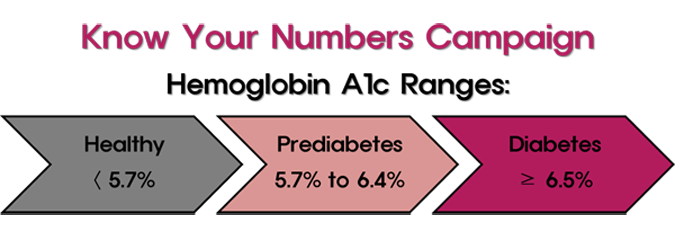
    Hemoglobin A1c reflects blood glucose levels over the past 2 to 3 months. This number helps an individual know if they are in a healthy range; falling in a prediabetes range, indicating risk of developing type 2 diabetes; or if they have diabetes, how well their medication is controlling their glucose levels. In the Phoenix area, the prevalence of type 2 diabetes is estimated at 10.8%, this is considerably higher than the national US average of 9.4%. In addition, the number for prediabetes rates is also startling.  According to the CDC, one-in-three people have prediabetes yet only 1 out of 10 know this, making diabetes prevention and awareness essential for our community.

    Since the start of this initiative, Celerion has provided 1389 free A1c health checks across 24 events with 14 local community partners.  Results from the health checks have been recently published in the journal Trials and shared with our community partners, to aid them in developing strategies to best assist those at risk of developing type 2 diabetes. For our efforts to promote prediabetes and diabetes awareness, Celerion have been recognized by the American Diabetes Association, Maricopa County Health Department, and The Arizona Partnership for Immunization.

    References:

    National Diabetes Statistics Report, 2017. Estimates of Diabetes and Its Burden in the United States. Atlanta, GA: Centers for Disease Control and Prevention; 2017. https://www.cdc.gov/diabetes/pdfs/data/statistics/national-diabetes-statistics-report.pdf.

    American Diabetes Association. Diagnosis and classification of diabetes mellitus. Diabetes Care. 2010;33 Suppl 1:S62–9. https://doi.org/10.2337/dc10-S062.

    Hyperlinks:

    https://www.celerion.com/

    https://www.celerion.com/wp-content/uploads/2017/07/Celerion_The-Impact-of-Prediabetes-on-Early-Clinical-Metabolic-Disease-Studies_F.pdf

    https://bit.ly/2uVU5VD


  • Biopharmaceutical Industry Recognizes Celerion as a Leading Contract Research Organization

    (Lincoln, NE April 3, 2018) – For the third consecutive year, biopharmaceutical industry executives have selected Celerion as an industry leader in multiple categories of Life Science Leader’s annual CRO Leadership Awards for 2018.

    Celerion was recognized as a CRO Leader in the  Capabilities, Compatibility, Expertise, Quality and Reliability categories across all three groups of respondents (big pharma, small pharma, and overall (combined big and small pharma).

    “We recognize that our clients are faced with increasing complexities and challenges in drug development as well as choices in development partners. We thank them for this recognition and for their continued trust in our dedication to providing them with high-quality work. It is through their support that we are able to advance our mission of helping them get their drugs to market faster, so that together, we touch the lives of our family, friends and people in need around the world,” said Susan Thornton, President and CEO.

    The survey queried the direct client experience across 27 different performance metrics spanning technical expertise to client service; results have been published in the May edition of Life Science Leader magazine.

    Now in its 6th year, Life Science Leader and Industry Standard Research (ISR) teamed up for the CRO Leadership Awards to provide readers with accurate and reliable customer feedback to assist them in choosing a reputable partner for their clinical research needs. Over 70 contract research organizations were assessed on 20+ performance metrics.

    Survey participants were recruited from Pharma and Biopharma companies of all sizes and were screened for decision-making influence related to working with contract research organizations. Respondents only evaluate companies with which they have worked on an outsourced project within the past 18 months. This level of qualification ensures that survey responses are based on actual involvement with CROs and clear experiential data. Complete results will be published in the May edition of Life Science Leader magazine.

    About Celerion 
    Celerion, a global leader in early clinical research services, offers a unique combination of medical expertise, clinical operations experience and scientific excellence that gives our clients the confidence to make fast, accurate decisions about their drug development path. Our services include comprehensive clinical development services from Phase 1-2b, including patient dose response studies, cardiovascular safety and product labeling studies. In addition, Celerion offers statistics, data management and biostatistics, and bioanalytical services. Our founding mission is to help our clients get their drugs to market quickly, so that they touch the lives of our family, friends and people in need around the world.